Curated by Stuart Fogarty stuart@admaticallycom for AFAO'Meara Advertising, Streamabout The Video Agency and Admatic Ireland.
All comments will be posted - promise!
The very excellent New York Times (if you see it on a Saturday, just get it) reports a loss of 14 million usd in Q1 2016. It's about the decline in print advertising but digital is up, although as usual, does not compensate for the print decline, just yet. It added 67,000 digital subscribers in the quarter - huge - bringing it to 1.4 million overall. Total revenue in the quarter was 380 million usd and it's hard to understand (very very hard) with revenues like that, you can make a loss at all! Here's the point....Revenue from digital subs was 54 million. Revenue from print and digital advertising was less, at 42 million. There comes a time when the cost of printing the paper becomes so loss making because of the massive cost of production (paper, printing), whereas the cost of producing the digital edition is massively lower and profitable. And with their growth in digital subscriptions, there has to come a point where it makes more sense for The New York Times to become digital only. It has to be an outcome. You heard it here first!
The new UK Newspaper called (bizarrely), 'New Day' has closed after only 9 weeks. The last edition was Friday. Published by Trinity Mirror (The Daily Mirror) it was aimed at those readers who had "fallen out of love" with Newspapers and clearly, well, they had. It seems a peculiar name and most peculiar targeting. Expecting sales of 200,000 copies a day (at 25p), it reached only 30,000 and was supported by an extensive enough Ad Campaign (circa £5 million). The line was "Seize the New Day" which in itself, is hard to decipher. But the imagery was all about the Social Media generation and one cannot think how it was envisaged that they'd switch back to traditional print? The mind boggles. Having said all of that, there's jobs lost here and there's money lost which is sad. Very.
Gannett, publishers of 'USA Today' have made a bid to buy Tribune Publishing (LA Times, Chicago Tribune etc) for 815 million usd in cash. That's a 63% premium on Tribune's stock price and they'll take on the debts estimated at 350 million usd. The consolidation of both publishers (read - the job losses) would estimate savings of 50 million usd a year and of course, probably bring a bigger, better group. Certainly a stronger one in these fickle Newspaper times. The offer was unsolicited and by all reports, not well received by Tribune Publishing. Yet on paper, it looks like a lifeline.....interesting.
The UK Independent (Indy) which started in 1986 as a broadsheet, is to close its printed version and move exclusively online which may be, the start of the big digital switch for Newspapers. After all, all the costs for a publisher are in printing the physical edition whereas all the revenue growth is in online advertising. The Guardian for example, is losing £52 million a year which is not sustainable. The Independent was of course bought by Irish tycoon (and generally nice man), Tony O'Reilly in 1998. Anybody who watches Andrew Marr on a Sunday, might be interested to note that he was an Editor too. So by saving the printed edition substantial costs, the Indy will still be able to generate good revenues in a profitable way online. It also gives them a real competitive model for Buzzfeed and Huff Post. A lesson here? Indy printed will cease in March (20th probably) and then start to expand its digital version in Europe, the Middle East and Asia. Already with a staff of 17, they expect to be joined by another 40, leaving sadly, some redundancies. There's a simple fact. Newspapers as they stand, will continue to lose cover price (as news is 'free' online) and lose print advertising (down another -10% in 2015). Unless they re-invent themselves (and we can suggest a few ideas here!), the print newspaper will fall. However, the print newspaper can be used to switch readers to online which none of them do. It seems an obvious strategy to get their readers to move online and to keep those readers. Once online, they can sell those readers other stuff with "news" as the free "hook" to keep them there. You cannot charge for news anymore so let's forget paywalls. Like selling readers 'click through' story shopping; recruitment portals; car sales; classified Ads; reports; sms updates...the list is endless. However, newspaper men are wedded to their paper editions and therein lies the problem. The smell of the ink. They should not be, when the consumer, their readers, want something else (digital). We would think that The Indy online now has new life and the potential to be an excellent big digital player. How's that for breathing life into a brand. There's a lesson for newspaper men (and yes they are men) that like it or not, what's on your site is more important than what's on your Presses. Whingeing won't do it but brave moves will - in line with what readers want. Just like what The Indy has done.
'The Sun' UK newspaper has scrapped its paywall. Instead it's offering all of their website content for free following the appointment recently of Rebekah Brooks. It's the biggest selling UK tabloid and has had a paywall since mid-2013 with over 30 million monthly unique visitors. So clearly the view here is that subs aren't as lucrative as Digital Advertising opportunities. By maximising viewers in taking down the paywall, they'll maximise digital advertising as Mail online have done. It's estimated that already it has brought in another 800,000+ viewers a day. Lessons here....
Native Advertising or in other words, sponsored content, is proving a strong revenue earner for Media. It is an ethical issue because it is "disguising" Ads, as non-commercial content and I for one, are seeing more and more "news" which is clearly paid for. So it will affect the reader "trust" of the brand. The New York Times has called it the "driver" for its growth in online revenue last week, clearly indicating that there's a lot of it about. Forbes have "Brand Voice" Ad options. Sponsored Posts/Native commentary is over 30+ of LinkedIn's overall Ad revenue. Like their "sponsored updates". Tumblr are introducing similar "sponsored video posts". The UK's Guardian is doing the same as are, most Irish online publishers. It's euphemistically called "content marketing" but in reality it is PR dressed up as news. And that's an issue for the PR Industry because they may find that Clients will simply have to pay to have their brand stories appear. In fact it cuts across the very core as to what PR is about. Regrettably. Traditional Broadcast Advertising to be fair, has at its core, a warning. Called an 'Ad break', listeners and viewers clearly understand that at that part of the broadcast, someone is trying to sell them something (legitimately). And Traditional Press Advertising is 'bordered' off from content so they're obviously Ads, not content. So there must be, should be, some concerns raised about "native content" or sponsored content or whatever it's called designed to hide the fact, that it's advertising without a warning. And the very fact that they're trying to hide it by renaming it, in itself shows the concerns are already there. But money is money I guess. There must be questions raised too, by media owners themselves, that by "prostituting" their product in this way, could damage their trust amongst their consumers who may depart to other reliable publications. Fundamentally, we all agree and want, online media to generate more revenue. Absolutely. However, we should question, is this the way. Without fear or favour - seems to me to be more favour than without.
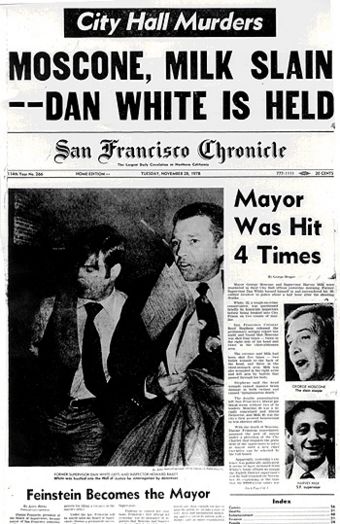
Interesting idea from one of America's oldest newspapers, The San FranciscoChronicle. It's 149 years old and owned by Hearst. Audrey Cooper, the new Managing Editor appointed in May 2013 and only 37, has started a digital incubator or 'boot camp'. She is making all staff, notably reporters, to go through this incubator and understand more about digital publishing, for training. It is to give a better understanding of clicks, metrics and referral sites (like Reddit, LinkedIn, Pinterest) to bring better insights into how stories get pushed out there. And to understand reader habits better. They have had declines in their printed circulation to now, 300,000 readers only, but their website is picking up readers, although not fast enough to compensate for the printed readership decline. So it's a mindset change to put digital first, something I've spoken about before. It's new young publishers that have the digital savvy to embrace online and this scheme seems a good way to start. For a lot of traditional newspaper people, they simply don't understand digital and frankly, most of us are embarrassed to ask when we don't. Absolutely understandable and reflects the general populus. But this is charming way of enlightening them all, without that embarrassment and in a way, motivating them. When you talk about the digital world, it tends to become exciting and opportunistic, rather than threatening. She's on Twitter (@audreycoopersf) and LinkedIn (http://www.linkedin.com/pub/audrey-cooper/40/a71/17) and I've no doubt all other Social Media. A lesson there too for publishers - if you're not online, you'll never understand how it works. But let's hope it all works out and proves to be a business success. It's certainly to be applauded.
Newsy is a video-journalism 5 year old "startup" by producing news videos alongside content for websites. Websites like Mashable or The Huff Post on commission. Their strategy too, is to provide that video news to online newspapers. Sound familiar? It was exactly the model that Streamabout started with. And Newsy has just been bought for 35 million usd by E.W. Scripps in cash. Scripps are the owners of a large number of daily and "community" (regional) newspapers. So online news they see as important both as a reader service but also as a potential revenue generator through the syndication of news. In other words, here are a group on newspapers prepared to invest in digital news to grow their business rather than seeing it as a threat. Money where their mouth is - 35 million dollars of it in cash. And they are right. News is at the very core of newspapers and the ability to provide online video, brings newspapers into Television land and the money that goes with that. They can break news quicker than TV who are hampered in "holding back" the day's news for lucrative 6 or 9 o'clock bulletins. When I want news, I want it now. Not tonight. With crews 'on the ground', you can make that news video as local and as relevant as you want. It's a great thumbs up for digital news video and more importantly, another clear example of Newspapers getting on board the digital train. 35 million? Offers on a postcard please.
There's a lot of talk in Newspaper circles about paywalls. Leaky paywalls, full paywalls and basically any paywall way of generating revenue from the news and content they provide. It is ridiculous when you think about it, that we all expect our news to be free, when it is probably the most expensive content to produce. But we do, because it's always been like that. And the whole problem is bolstered by a decline in Newspaper printed cover prices as people opt to get their free news online. It's not that they're consuming less news, they're just choosing to get it for free. So not only is online not generating revenue, but it reduces revenue from print cover prices, as people switch to the "free" version. An Age old discussion, I know. But what happens in effect, is that Newspapers develop excellent online sites to actually damage themselves. There's no choice....or is there? A problem too, is that if one title in a local market, introduces a paywall and their competitors don't, then they will lose their readers to the competitor's free version. No doubt. So either everyone introduces a paywall same day, or nobody can. However, when you have a "free" online newspaper or magazine, there is some benefit in generating money from the substantial traffic that follows, through advertising. Typically banner advertising, page take-overs and pre-rolls on video. At the minute, that advertising does not come close to compensating for the provision of the service. Nor is it ever likely to If on the other hand, you introduce a paywall, and provide content only to those who pay for it, then that general traffic dramatically decreases, literally overnight, as people switch to other free sites. Hence any chance you had of generating those Ad dollars, disappears. The San Fran Chronicle recently dropped their paywall for this very reason.
It's a huge quandary but .....there may be answers. One is and an interesting one, to see US magazine 'Sports Illustrated' try something different. They're testing a paywall that allows users access to all of its content for free, IF readers watch a 30 second video Ad first. Watch the Ad, you get the content "free" for 24 hours. Then you need to watch another video ad for another 24 hours free. Not unlike the way TV stations force you to watch video ads before their online programmes - sometimes 7 videos! The view on Sports Illustrated to date, is that 70% of readers will watch the video Ad to get to the content. Forbes have been doing something similar for ages too. Because too, those Sports Illustrated (or indeed Forbes.com) readers, are so well targeted (the demographic is clear), Sports Illustrated sell the video ads at a premium. So they still have the traffic (because the content is ultimately free inside) for advertisers, albeit with a drop-off in readers (-30%). And they now have a new Advertising stream in forcing readers to watch the video ad. Good experiment, well worth a look and if it works, it could be one answer to the prayers of online newspapers. However, there is another, which I've been saying for a long time and spoken to Newspaper CEO's about. And which probably needs another Blog in its own right but it's a thought...... If you have 40 or 50 million views (impressions) a month, it doesn't really matter why they are there really, what matters is, that they are. In essence, you have a consumer market to sell into. Ready made Shopping Mall. And so the answer might be to turn the Newspaper into a shop. When you read a story about a Sports match - let customers buy tickets, buy merchandise etc there and then via a clickthru. When you read a piece about a book, a play, a movie etc let readers buy tickets. When you read Fashion, Beauty, even some breaking news, let readers buy. That's the new revenue stream and therefore, you'd actually want encourage free readers with more free content. The more readers you have, the more shoppers to sell to. Coupled with the Advertising revenue that's already there, it could be the trick. And even better still, when you have an Ad in the online edition, don't charge advertisers for traditional space, charge them for results. Change the Ad model. Don't sell a Car manufacturer an "Ad", sell them test drives (which was probably the purpose of the Ad in the first place!). Don't sell a pharmacy a page take over rate, sell them customers and take a percentage. After all, that's what Advertisers want - Results. And that's what readers want - free content. And that's what online Newspapers have - millions of consumers with the potential to generate real money from them. With 50 million consumers a month, some Irish Newspapers could be the biggest Shopping Sites in Europe.
The Birth of a Royal Baby is big news for one part of UK society but a bit of a yawn for the other. Notably, the birth was greeted by a poor response on Twitter, well behind The Pope for example. But of course it's "local" news in one way whereas The Pope is more well, "global" really. But for those tired of the Royal Baby news, UK publisher The Guardian, has developed today, two versions of its site - one royal baby free and one royal baby full. A Toggle switch in the top right allows readers to move to whichever version they prefer. Interestingly, they named the button, 'not a royalist?' and you just click through it if you're not for extra sports and entertainment coverage instead. Although The Guardian did this before for the marriage of Prince William, it does open an interesting idea for newspaper publishers to produce and extend different versions of their site. Perhaps Sports free? or Sports full? Or entertainment free or full? And so on. Generating perhaps new readers and perhaps new Ad revenue. In some ways www.independent.ie have made steps in this way with both their I Magazines and notably, 'Independent Woman'. However, The Guardian is offering a totally different edition rather than add-ons. One small step in the individualisation of news?
The power of Newspapers and their power online. Real Social Media as shown at the recent NNI Awards night.
The point is that Newspapers are a trusted source for news. And now with the online/social media dimension, they can provide that news with video, just as well as any broadcaster. But perhaps more importantly, is that people actively pay for Newspapers. So they value it, they read it, they trust it. And that has real value to advertisers because they don't pay for TV, Outdoor, Radio. It's the tradition of newspapers to break news and set the news agenda as you'll see. Story after story after story. But importantly, they can do that "as it happens" so before traditional TV broadcasters who hold back their news for advertising lucrative evening broadcasts. Newspapers are not threatened by the Web but rather, it brings new opportunities (such as subscriptions) without the massive cost of printing. And, they can enter the TV advertising arena through providing pre-roll commercials in front of their video news. Who'd have thought you can see a 30 second TV commercial in a newspaper?
Well done to The National Newspapers of Ireland who are pushing out the message with new confidence. And rightly so.
Facebook has gone through another re-design just as elaborate as the "timeline" changes in 2011. It has overhauled its "news feed" interestingly, with Zuckerberg calling it "a personalised newspaper" not just with text but with imagery. It features blogger images, mobile consistency and multiple feeds. This is a radical departure. The focus on news stories is more visual, images are much larger (taking 50% of the feed) and more centre positioned with an 'Instagram' feel. Of course, the key here is the ability to 'share' news. More feeds, and more control of those feeds gives users more options, which you chose to 'follow'. Could be a news feed from family, from friends, about music and so on. Niche news that you want. Being heavily mobile enabled too, is a good answer to criticisms of Facebook. The continuing journey for Facebook into online news is interesting and another competitor to traditional news orgs. But the fundamental issue around news, the fundamental issue around 'citizen journalism' is trust. You have to trust the source and are these Facebook feeds trustworthy? Not always. News is pure gold as a content commodity. It draws people in and it retains them. The people in Pole position to provide trusted news are newspapers. And they'll get there with a little belief in themselves and with a mindset change that realises, their newspaper futures are online. The biggest asset newspapers have, is not on a printing press, it's their websites. And it'll take time for Press men to get their heads around that, but get that, they will. Do not despair oh ye of little faith.
The New York Times is growing its digital subscriber base although its advertising revenue is declining. 668,000 thousand digital subscribers for the group is up from 566,000 in September. Advertising revenue though is down by -8%, largely due to declines in the print versions (down -10%) whilst digital revenue is down just under -2%. But they're down. The problem here is a trade-off between a model that makes money from a subscriber paywall versus a model that makes money from advertising. If you have paid subscribers (paywall) then you've less readers compared to when it's free. As some of the content is closed off for subscribers only, free readers move away elsewhere. Therefore the page impressions decline and consequently too, the ad revenue will fall. Charge for content and you'll have less readers and therefore, less advertising. However, the NYT overall revenue is up +5% so the growth in subscribers revenue is more than offsetting the consequential loss in ad revenue. For now. In return too, its shares are up +15% bringing more capital value - so people like what they're seeing. If a paywall subscriber model is adopted by publishers like the NYT, it actually puts pressure on content. Paying readers want more up-to-date content, more services, more video, more coverage because they're now paying for it. They'll want detailed business analysis for one. Quality journalism. So a paywall will work best in a quality title where affluent readers will be more able and more willing, to pay. It's a risk for sure but that depends too on where the paywall is placed - a combination of good free content (on the homepage for example) with subscribers getting detailed content, might be a good balance between maintaining digital Ad revenue and generating subscriptions. If you can walk that line, it's an opportunity that The NYT is proving.