Showing posts with label samsung. Show all posts
Friday, 21 November 2014
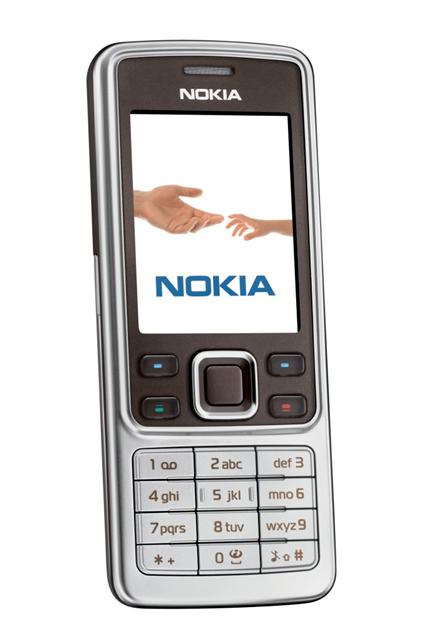
Nokia. It's gone. A victim to innovation.
Most of us probably grew up with Nokia.
The Finnish cutting-edge mobile phone manufacturer that was first to market. And that eventually dominated the market globally.
I remember staying at an upscale Helsinki Hotel with a person from Nokia and they paid the bill with their business card. In other words, the Hotel would simply invoice Nokia, no questions asked.
It was a tech giant.
Like Microsoft or Apple.
It was the brand of reliability.
And it's no more.
Bought by Microsoft who announced last week, they'd be dropping the 'Nokia' brand on devices.
And what happened?
Well we all have Samsung or Iphone devices now.
So the reason for that was that Samsung and Apple built better phones and Nokia customers switched - so there was no real brand loyalty to Nokia. It was just a phone (compared to say Apple, who's customers are product devotees).
But the real reason was innovation.
Or lack of it.
You can even be the 80% market dominant player and in a few short years be gone. They simply didn't innovate as quickly as they could and sat a bit on their laurels.
Stand still and you're dead.
Remember Nokia.
Thursday, 11 September 2014
Love this go at Apple by Samsung. Simple.
Love this go at Apple by Samsung.
Nice strong simple idea, little need for major production extravaganza or of spend. But good to have a go and good to get out next day using online video.
Makes you smile.
Monday, 23 September 2013
Blackberry sells today. 4.7 Billion Dollars. OMG.
So Wow, they were able to sell Blackberry..for a 9 dollar a share price bringing in 4.7 billion us dollars. Extraordinary.
The buyer is Fairfax financial, a Canadian Insurance fund (Blackberry is Canadian too) who were also Blackberry's largest shareholder. Blackberry was, Canada's greatest star.
It has come after a weekend of speculation, notably by the excellent UK 'Telegraph', when Blackberry announced losses of almost 1 billion usd in Q2 and planned to slash 4,500 jobs with shares slumping by -24% on Friday last.
Shares were trading at circa 8 dollars and I remember them at 138 dollars.
It had officially put itself up for sale last month having hired PWC to help.
Amazon and Microsoft had considered buying it previously but Microsoft's Nokia deal put paid to that. The BBM (Blackberry messaging service) is the golden egg with 60 million users although the once dominant company has really struggled against Apple, HTC and Samsung since 2007.
Blackberry once controlled half of the US market (!), now that's under 3%.
The BBM service had one great advantage - as London rioters and drug dealers knew - it was hard to intercept. Hence it became popular with drug sellers and became known as 'Crackberry'.
It only shipped 2.7m of its latest Z10 phones out of a planned 6.8m although it sold 5.9m smartphones in Q2, well below expectations. Apple, for example, sold 37m and the Iphone 5S sold out online.... in 5 minutes.
Blackberry had slashed phone prices so effectively, they couldn't give them away. Its losses reflected a big write-down on this stock of unsold phones.
The story of the downfall of Blackberry (if you call a sale of billions a downfall) is that they stuck with a corporate market and a keyboard, largely ignoring connectivity to the internet as having value. When they realised their mistake, it was too little, too late.
Keyboards had their day, internet connectivity was king and the corporate market became a personal market. Executives choose their own phone for business and personal use, rather than a company bought phone.
It's a sad story in one way but ultimately a good story in that they've done well to attain a good price now. Or lucky to have a shareholder like Fairfax, prepared to protect their investment and obviously being cash-rich enough to do so.
Still. A once dominant brand like Nokia, bit the dust. Or has it?
Thursday, 5 September 2013
Samsung launch the first 'wearable computing', their Smartwatch. Pity about the name.
Samsung have finally launched their long awaited 'Galaxy Gear' smartwatch.
The first real attempt at wearable computing and this is the first generation watch - so it will improve in time.
Bigger than most watches, it's seen as a bit 'chunky' with a flat, rather than curved, screen. Doesn't look too bad though, although it's not a replacement for your phone but an addition to it. You won't have to use your phone so much, but you will need it.
Connected via bluetooth, it has a camera on the wristband and touchscreen. There's a Pedometer which allows you to track your running and it costs 300 us dollars. And it comes with nice colour choices (6) making it 'fashion technology'. Or so they say.
So we'll see. Apple are due to launch theirs, next week.
Samsung have gained first-mover advantage here and it shows they can deliver innovation, quickly and affordably. It will be 'in the shops' at the end of September.
Galaxy Gear? Catchy.
Tuesday, 3 September 2013
Microsoft pays 7 Billion for Nokia. It feels like 1997.
In one of his last great acts, 'Crazy' Steve Ballmer, the Microsoft CEO has agreed to buy Nokia, for about 4.6 billion stg/7 billion us dollars.
Nokia, the one time Finnish world leader in mobile phones, has worked with Microsoft since 2011 on the Lumia phone. More importantly perhaps, former Microsoft executive, Stephen Elop and current Nokia CEO, was tipped to replace Ballmer.
So is this case of getting a new Microsoft CEO with the company? Buy one, get one free?
It's yet another Microsoft deal that seems on the surface, "bizarre". They all do at first and then when you reflect....well, they all still do.
Firstly Microsoft already has working relationships with other hardware manufacturers, notably Samsung, who'll see this as competitive. A huge conflict of interest anyway.
Secondly a price tag of nearly 7 billion usd seems high for a company that had its stock recently at 'junk status' and frankly, that has little brand status remaining in the smartphone market. All to be paid in cash.
Thirdly, 32,000 employees come with it. That's a big, huge ongoing cost and basically increases the Microsoft workforce by a third.
As one blogger put it, "This would be the deal of the year....if it was 1997" Another suggesting they should buy AOL and Betamax next. In other words, it's all a bit late and a surprising concept for Microsoft to tackle Apple/Samsung mobile dominance, now. That game, one would have thought, is well and truly over.
And you know what? Microsoft just do things and leave them there. Perhaps like the Skype acquisition, there just isn't, a plan.
Here's Ballmer note to staff about the Nokia buy;
From: Steve Ballmer
To: MS FTEs
Date: Sep. 2, 8:00 PM PDT (Sep. 3, 6:00 AM EET)
Subject: Accelerating Growth
To: MS FTEs
Date: Sep. 2, 8:00 PM PDT (Sep. 3, 6:00 AM EET)
Subject: Accelerating Growth
We announced some exciting news today: We have entered into an agreement to purchase Nokia’s Devices & Services business, which includes their smartphone and mobile phone businesses, their award-winning design team, manufacturing and assembly facilities around the world, and teams devoted to operations, sales, marketing and support.
For Microsoft, this is a bold step into the future and the next big phase of the transformation we announced on July 11.
We are very excited about the proposal to bring the best mobile device efforts of Microsoft and Nokia together. Our Windows Phone partnership over the past two and half years has yielded incredible work - the stunning Lumia 1020 is a great example. Our partnership has also yielded incredible growth. In fact, Nokia Windows Phones are the fastest-growing phones in the smartphone market.
Now is the time to build on this momentum and accelerate our share and profits in phones. Clearly, greater success with phones will strengthen the overall opportunity for us and our partners to deliver on our strategy to create a family of devices and services for individuals and businesses that empower people around the globe at home, at work and on the go, for the activities they value most.
We have laid out Microsoft’s strategic rationale for this transaction in a presentation that I encourage you to read.
This is a smart acquisition for Microsoft, and a good deal for both companies. We are receiving incredible talent, technology and IP. We’ve all seen the amazing work that Nokia and Microsoft have done together.
Given our long partnership with Nokia and the many key Nokia leaders that are joining Microsoft, we expect a smooth transition and great execution.
As is always the case with an acquisition, the first priority is to keep driving through close, which we expect in the first quarter of 2014, following approval by Nokia’s shareholders, regulatory approvals, and other closing conditions.
But I also know people will have some questions about what happens post-close. While details aren’t final, here is what we know, and how we’re generally approaching integration:
1. Stephen Elop will be coming back to Microsoft, and he will lead an expanded Devices team, which includes all of our current Devices and Studios work and most of the teams coming over from Nokia, reporting to me. 2. Julie Larson-Green will continue to run the Devices and Studios team, and will be focused on the big launches this fall including Xbox One and our Surface enhancements. Julie will be joining Stephen’s team once the acquisition closes, and will work with him to shape the new organization. 3. As part of the acquisition, a number of key engineering leaders will be joining Microsoft from Nokia, reporting to Stephen in his new capacity: · Jo Harlow, who will continue to lead the Smart Devices team · Timo Toikkanen, who will continue to lead the Mobile Phones team · Stefan Pannenbecker, who will lead Design · Juha Putkiranta, who will lead the integration effort on Nokia’s behalf 4. Regarding the sales team, we plan to keep the Nokia field team, led by Chris Weber, intact and as the nexus of the devices sales effort, so that we can continue to build sales momentum. After the deal closes, Chris and his team will be placed under Kevin Turner. We will develop a single integrated team that is selling to operators, and there may be other integration opportunities that we can pursue. Kevin will work with Chris Weber and Chris Capossela to make those plans. 5. Our operating system team under Terry Myerson will continue unchanged, with a mission of supporting both first-party and third-party hardware innovation. We are committed to working with partners, helping them build great products and great businesses on our platform, and we believe this deal will increase our partner value proposition over time. The established rhythms and ways of working between Terry and his team and the incoming Nokia team will serve us well to ensure that we do not disrupt our building momentum. 6. We are planning to integrate all global marketing under Tami Reller and Mark Penn. It is very important that we pursue a unified brand and advertising strategy as soon as possible. 7. Finance, Legal, HR, Communications, DX / Evangelism, Customer Care and Business Development will integrate functionally at Microsoft. Sourcing, customer logistics and supply chain will be part of Stephen’s Devices organization. ICM / IT will also integrate functionally for traditional IT roles. We will need to work through the implications for factory systems given the differing manufacturing processes and systems at both Nokia and Microsoft. 8. We plan to pursue a single set of supporting services for our devices, and we will figure out how to combine the great Nokia efforts into our Microsoft services as we go through the integration process. 9. There are no significant plans to shift where work is done in the world as we integrate, so we expect the Nokia teams to stay largely in place, geographically. 10. Tom Gibbons will lead the integration work for Microsoft.
While today’s announcement is big news, we have to stay heavily focused on running the current business. We have a huge fall and holiday season ahead of us, so we need to execute flawlessly and continue to drive our business forward. I have no doubt we will.
Steve
Wednesday, 28 August 2013
Wearable computing begins. The Samsung Smartwatch launches September 4th.
The new generation of wearable computing kicks off on September 4th with Samsung's launch of its smartwatch believed to be called 'Galaxy Gear'.
It will make calls, receive calls, email, text, access the web and wait for it, tell the time. It's believed to have a camera integrated into the strap.
Google, Apple and Microsoft are working on versions of their own but the Korean company is first to market - a big first mover advantage and sure to steal the PR inches. It beats Google Glasses to a full launch, another long awaited wearable concept, although out there amongst a select few. The Sony Smartwatch is already out there but hey, who knows about it.
It will run on Android with a small key pad but brings mobile into a new space and will further the growth in mobile applications. It's much easier to wear a watch than carry a phone. Rumoured cost about 250 usd and it'll come in 5 colours.
Interesting times as we move into the wearable generation.
Tuesday, 27 August 2013
New Iphone in September will come with a trade-in offer. Great marketing.
The new Iphone release is rumoured to be on September 10th according To Mashable and the 20th from The Huff Post - but we know it's coming sometime in September. They'll want it in the stores by November for the lucrative Christmas rush.
There's talk of new colours (a graphite grey, gold?), super HD screen, 2 handset sizes, better camera/flash, better battery, a possible fingerprint scanner, faster processor, a cheaper alternative, the name (5S instead of 6?) and so on, doesn't seem to be real exciting. But we'll see. Apple always surprises.
However, there is strong talk of a trade-in programme launch which is a great marketing idea. Although some carriers (O2, Vodafone) already offer trade-ins on all phones as you try to get your "free" upgrade, an Iphone trade-in notably in Apple stores, will get the cash coming in.
Given the saturation of Iphones (which is actually the biggest market problem and notably for Samsung growth) and given the high cost of new models, a formal trade-in is a good marketing trick. Once everyone has a smartphone, it's difficult in these straightened times, to sell them a new one. So a trade-in upgrade is one good idea.
Basically it's one way of giving a "discount" on new phones without damaging the brand values and the old phones have a resale value. So it encourages constant upgrading and keeps stock turning.
Expect this to be announced at the launch and I've no doubt it's a great trick that will boost sales of the new Iphone.
Will they trade in Blackberrys and Samsungs against a new Iphone I wonder? I would.
Monday, 8 July 2013
Samsung has it problems. It has sold too many mobile phones.
You would think that of all the smartphone makers, Samsung is the one with the least problems on its mind. And it's not.
Since March, about 20 billion usd has been wiped off its value and recent warnings that profits will be lower than expected are causing market issues. That warning is, I kid you not, 8.3 billion usd profit in the second quarter and up a staggering +47% on last year. But it's not enough. Shares have declined circa -18% in the last month.
It has a 33% market dominant mobile phone share and smartphones account for about 74% of profit.
The main issue here is market saturation. Mobile phone sales are slowing - well, doesn't everyone have one - and more and more they need bigger advertising/marketing pushes which cost more and more money. So the investor confidence and outlook in the mobile phone sector is declining. Blackberry's problems typify this and HTC profits declined over -80% year on year.
Samsung are now reliant on mobile phones with their household entertainment products under more threat through reductions in consumer spending (recession) and major price competition.
Samsung have been and continue to be a hugely successful, massively profitable company. Their new Galaxy phone recently sold 10m units within a month of launch and yet, their faced with a serious decline.
Purely and simply because they're now in a market which has reached saturation and they can't show that they're able to move it along. Very reminiscent of Microsoft - a great company once that dominated the wrong space.
Interesting. Inspiration and Innovation required. Remember Nokia.
Tuesday, 5 March 2013
Apple Valuation dips below 400 Billion Dollars Shock!
Apple's market cap has dropped below 400 Billion usd, Shock!
That's right....Billion.
Or at least, that's how it's being reported - as a shocker.
This week's decline in share value comes after a court judge has cut back, by 450 million usd, their award against Samsung for copyright infringement of 1 billion usd.
Other uncertainty about profit margins on products (notably in China) and a lack of innovation, has reduced the market cap from 650 Billion in September (when the new Iphone 5 launch was impending).
It's still a staggering, unbelievable, valuation.
Google is worth a mere 270 Billion and Microsoft, only a tiny 230 Billion. So Apple is still way, way ahead.
And the ongoing coverage of CEO Tim Cook is generally pretty negative. It seems that if Apple sneezes, commentators get a cold, because their talk of Apple ("in decline", "losing confidence") seems to be deliberate for a company so strong.
And we know Apple is sitting on a pile of cash (which in turn, becomes a criticism that "Apple doesn't know what to do next with its cash").
It seems to me that few can ever get their head around Apple being without Steve Jobs. He seems to have been so pivotal, that his death has really damaged the company even still.
Always an issue for companies that are inexorably linked to people. When something happens to the person, it reflects entirely on the company. But he left it strong and so it is.
Talk of Apple's demise are unfounded.
Worse than that, with a 400 Billion valuation.... they're silly.
Monday, 4 February 2013
Superbowl Ads. Expensive airtime, super Ads and probably the most watched TV programme ever in The USA.
Tonight is Superbowl Sunday - just in case you've been in a cave (!) and haven't heard. What makes it exciting is ad watching. A lot of brands are now launching "teasers" in advance of the game to get you "teased" to look out for the final version. This one for Samsung (in two parts) looks terrific and titled "the next big thing". At 2 minutes, I'm guessing they'll spend about 12 million just on the one Superbowl broadcast alone. Is it worth it? Have a look but I think it's a great spot (Seth Rogen and Paul Rudd are very well known stateside). The second part is great and below.
Possibly the most expensive airtime on the planet in terms of overall cost per commercial (3.7 million usd a piece) but not per capita. Interesting for example, that Ireland's own Late Late Show is more expensive per viewer than The Superbowl. Because even though you pay 3.7 million for a Superbowl spot, you reach about 200 million people who will watch at least part of the game (mainly the 3rd and 4th quarters so end spots can be more valuable). The final Samsung commercial is going out, for example, in the 4th quarter.
Consequently based on a standard trade measure of cost-per-thousand CPT (the cost of reaching one thousand viewers) Superbowl does very well in value terms because the audience is so huge. Therefore, all spots are well sold out.
About 130 million will watch the game end-to-end and that will make it the most watched US TV programme ever. Because the content (American Football) limits it to US viewer appeal, it doesn't reach the viewing heights of sports with global appeal like Soccer. About half the planet for example, watch The World Cup Final, putting the viewer numbers in billions.
So a lot of us will watch the Ads and, as I've blogged over the last couple of days, the Ads can really make a difference as the "Dart Vader/Star Wars" spot did for VW last year. Already over 200 million viral views. 'Doritos' and recently 'Go Daddy' largely built brand recognition with their Superbowl spots as indeed did Steve Jobs choose it to launch his new Apple Mac in the 1984 Superbowl.
It's a huge night for advertising and social media nevermind, for football.
Tuesday, 22 January 2013
Samsung new TV and Online Video targets one thing. Blackberry.
Samsung are already known for TV Commercials and online video that goes after The Apple user. Now their new campaign targets Blackberry, already struggling.....so this won't help.
Although they don't mention Blackberry, they make it clear whom they're talking about, showing clueless employees who persist with out-of-date phones using keyboards. So it's aimed at the business users firstly.
It's supposed to be a start-up office launching a game called 'Unicorn Apocalypse' pretentiously enough.
Perhaps not the best commercial ever at all but it's hard-hitting enough for Blackberry users to understand. And it's a symbol of Samsung's ongoing attempts to take on all-comers. They recently were the stars of the show at The Consumer Electronics Show in Las Vegas.
Samsung are not prepared to stand still. With world domination clearly in their minds, the brand is going from strength to strength and producing unbelievable profits. They are afraid of no one and even prepared to kick a brand like Blackberry, when it's down.
Unlike Apple, they pay a little less attention to branding commercials and tend to go aggressively for the jugular.
Watch out for Samsung.
Friday, 18 January 2013
Apple's marketing conundrum in China. Answered.Brilliantly.
Only last week I blogged about Tim Cook's announcement that Apple was going to make China it's "number 1 market". However, my point was that it created a marketing conundrum. (http://streamabout.blogspot.ie/2013/01/apple-sees-china-as-their-number-one.html)
If Apple stayed premium priced (as it is) then few Chinese could afford it. If it dropped prices, then that would have a global affect on the brand as it re-positioned itself more downmarket. It suffers hugely from lower priced competition anyway in the form of Samsung who outsell the Iphone 4:1.
So it was an interesting marketing issue.
Today we have the answer. What Apple have done on its China website is to let buyers pay for products in instalments and mostly, over two years. So the price remains the same, but the payment plan is structured to be affordable. Good solution, leave it to Apple.
It's only for purchases been 48 usd and 4,800 usd and some additional fees are paid at the end, presumably to cover the cost of credit. An Iphone in China is 850 usd, well outside the average Chinese salary (averages 577 usd per month) and dreams but this way, it puts it into affordable reality.
Apple is currently the 6th biggest player in China but only starting.
This is a great solution and great marketing.
Simple yes, but then you have to think of it and implement it.
I wouldn't have.
Monday, 14 January 2013
Apple sees China as their "number one market". But it creates a problem on price. A real marketing conundrum.
Apple for once, seems to be in a bit of a marketing bind. Their CEO Tim Cook, currently on a visit to China, said China will be "Apple's number 1 market in the future" even taking over from the US. And who would argue with that.
In fact China is going to be the biggest market in the world for most brands in the future, full stop. Remember too, there are Chinese technology companies (I can name 5 already) of note who will also have an impact outside China - this is not a one-way street.
The problem Apple have in tackling China and indeed, in competing globally with Samsung (who outsell Apple 4:1) is price. Apple is and always has been, the premium brand ($400/$500) but China needs a low cost brand (under $200). The winning formula for Samsung was of course, to do it better (or copy) than Apple and sell it cheaper - that's proved a winner. The problem with China is they don't have the incomes en masse to support Apple's current pricing. So they simply won't be able to buy Iphones and Ipads in massive numbers at current pricing.
Never mind just China, with a worldwide recession, Apple needs to consider its pricing anyway.
If Apple reduce their pricing, it will shift the brand values worldwide into a place where I'm sure it doesn't want to go - cheap rather than premium - and affect every market in which it trades.
Although interesting isn't it, that a brand can be premium in one market and cheapest in another? Corona beer in Mexico is the 10 cent, cheapest, downmarket beer. In Ireland and the UK it's $4 and premium. Same beer, same bottle, different markets.
If Apple don't reduce their pricing but try the old marketing trick of developing a new "low cost" brand - The "A Phone" or something - it will be absolutely transparent and have exactly the same impact. Apple will be cheapened.
Of course a cheapened brand is not a bad thing in recession - not at all. One only has to look at Irish Airline brand 'Ryanair' and sees them sweeping across Europe. Cheap and nasty but a huge success.
So it's a brand conundrum and a particular problem with a brand as established as Apple. My view is the way out is to move towards value add. In other words, retain the existing pricing (more or less) but then give something with the brand - buy one get one (bogof) or possibly a loyalty scheme (Apple club) giving massive rewards and so on. Subsidise the upfront cost.
We will see what Tim Cook does. Already Apple have indicated that they will not be reducing prices....but we'll see. If they're going to crack China, whatever about competing with Samsung, they have a problem and it's not going away.
But then I'm talking about Apple and we know they'll find a way, they always do. But it will be interesting marketing to watch.
Thursday, 10 January 2013
Massive increase in online video in 2012. Gangnam style gets 2.6 Billion views but online Ads are being watched 150 times....a second!
Online Video Ads were watched in 2012, at a rate of 150 per second according to AdAge. We knew video was growing but just not this fast.
Indeed AdAge's own viral charts, now need your video to be viewed 1.5 million times to be listed - 4 years ago, 220,000 would have done. Kony, the biggest "campaign" of the year (Gangnam style was the most watched), achieved 41 million views....in one day! In fact it reached over 100 million views in 6 days. Massive.
Samsung too, was the brand that used video best getting 71.8 million views for its Galaxy 3S alone which when compared with Apple - their 13 campaigns achieved 57 million views combined. As blogged yesterday, Samsung is really driving on.
The Gangnam Style video actually delivered 2.6 Billion views (yes I said Billion), shattering all records as the highest watched video ever. It's still doing about 13 million views a day so this number will just blow everything else away. I watched it, I don't get it, sorry.
(I note the "how to dance gangnam style" video above has over 10 million views alone!)
According to AdAge, the top 10 Apps, generated 550,000 million video views.....which means if you're doing an App, include Video because that's what people want.
Finally, Video ads were watched 4.6 billion times in 2012 - about 13 million times a day, or, 150 times a second. That's up on 2011 of 2.7 billion times - nearly doubled. So people are watching video and they are watching video Ads in huge numbers.
But it does show the pressure on Television broadcasting because numbers like these are simple unattainable traditionally and in nearly all cases, are free except for the cost of Production.
There is no Media cost.
Which surprises me that the "bible" of advertising AdAge, would run the story in the first place. Honesty perhaps, but from a fraternity that really have been ignoring digital - Ad Agencies. Maybe things are changing?
Wednesday, 9 January 2013
Samsung. 27 Billion usd profit. They're selling 500 smartphones....a minute!
Samsung is powering on with another record Quarter (Q4).
Profits of a staggering 8.3 Billion usd on sales of 53.6 Billion usd translates to selling about 500 smartphones a minute!
It expects to have annual 2012 sales of about 189 Billion usd and a profit of 27 Billion usd. One of its competitor casualties, from which Samsung has taken sales, is HTC reporting a 91% drop in revenues year-on-year.
However, one wonders is whether that level of Samsung growth can continue given the near saturation of smartphones. So Samsung need to consider other paths of diversification - and they are.
At The Consumer Electronics Show (CES) this week in Vegas, they unleashed a major line-up (some say, the best ever) of new TV's, new Cameras, new Fridges, new powerbooks and so on. They haven't been sitting on their hands.
And we forget that Samsung is grounded in a domestic appliance business. Although why they'd want a Korean lady in her wedding dress as the image above to launch it, is beyond me. Maybe she snuck down for a late night snack?
Indeed, they won CES launch day too, on presentation alone, with Sony a close second. So Samsung are even putting big efforts into their marketing and sales. All round, pretty damn good despite the views expressed about copyright following their court appearances against Apple.
Samsung though is starting to look like a winner, a leader and not making the mistake of sitting on its laurels - which when you produce profits like that, it's easy to do.
They know who they are too - a hardware manufacturer - leaving software to others but they also know that innovation is their lifeblood.
Samsung are becoming giants.
Thursday, 29 November 2012
Samsung in the copying wars again. This time they're in court against Ericsson. They only have to lose once.
Fresh after Apple, Samsung now has another legal battle on its hands, against Ericsson. The Swedish company is the worlds largest marker of telecoms equipment and mobile infrastructure, going against the world's largest maker of mobile phones and is suing for breach of 24 of its patents. Ericsson say they re-invest about 15% of revenues annually in R+D so patents are real important.
You think it's a tradition in Samsung to copy? I wonder.... Have a look at The Samsung Commercial at the top of this blog and then the classic Apple Steve Jobs Ad that follows it (btw, voiceover is Richard Dreyfuss). Tell me it's not a copy? Please?
Samsung is the world's largest maker of TV's and cellphones but substantially lost a very similar legal battle to Apple in the US although won elsewhere, notably in Japan. It was claimed that South Korean Samsung, merely copied Apple designs and sold them for less. Samsung ended up paying Apple 1 billion usd and with all sorts of restrictions, following damages from patents on their mobile devices.
That Apple battle is still going on and now they have another with a company as large as Ericsson.
But South Korea doesn't have a rip-off culture? Or am I wrong there?
Ericsson is looking to block the sale of Galaxy phones, TV's, Cameras and Blue ray devices, so serious it considers the matter. If they won, all Samsung phones could be pulled from shelves. It's also a little bit more interesting because Samsung did ask Ericsson to renew licences at a much lower rate than competitors pay and Samsung say that it tried to strike a fair deal but Ericsson said no.
However, ongoing court battles like this against Samsung, have to take the sheen away from the brand which to be fair, has begun to dominate the world from nowhere. Their Galaxy 3 phone has sold more than 30 million units since its launch in May. They outsell Apple Iphones by 4:1 but they need to behave better. In this case, nearly two years of negotiation took place before the venture into court.
Of course too, large techy companies will always be faced with continual court skirmishes - it goes with the territory - but Samsung seem to get into scraps more than most and it's mainly about copyright infringement.
Samsung only have to lose once. Sure, fines they can pay but removal of equipment from retailers shelves will devastate the company and possibly finish it. You should never gamble with something that has the potential to collapse your company.
Never.
Thursday, 8 November 2012
Sony, Sharp, Panasonic. Brands in a shocking downward spiral. Lessons to be learnt here for marketeers.
Anybody with a doubt in their head about how brands can suffer, who aren't prepared for the digital age, should look at the demise of Japanese electronics. Once held up in universities worldwide in the 80's, as the model for enterprise are now in deep trouble. They weren't prepared.
The continuing decline of brands like Panasonic, Sharp and Sony, and the incline of Samsung, show how the world has changed. And it's a lesson.
Sharp, a 100 year old company, has now raised concerns that it might no longer be a "going concern". Posting a loss of over 3 billion usd for the last quarter, Sharp it estimated to reach combined losses of 10 billion usd and now has problems raising finance. As well as, share price declines.
Because Sharp is burning through cash, it had approached private equity to shore up its position but rumours abound that it has failed and instead, has turned to the Japanese government for what is, a 'bailout'.
Sony has just posted its 7th straight quarter loss (this one was 194 million usd) and is cutting 10,000 jobs. Sony was for so many years, the dominant premium brand. Panasonic is also forecasting dramatic losses.
All three are having nightmares on the Japanese stock market and reaching "junk status" quickly.
These brands have been wiped out by companies like Apple and Samsung in the new world order. Whilst they remained part of the old world order, they did not settle into the Internet world quickly enough.
Sony, inventor of the Walkman, Bravia TV and so much else, took a back seat because they felt that their position was "too big to fail". Most Japanese producers did the same as you can see as indeed have Nokia.
The Internet has become a great brand leveller.
Who'd ever have thought that a South Korean company (not exactly silicon valley is it?) like Samsung, would outsell Apple by a big margin? Never mind leave the Japanese in its wake.
It's extraordinary stuff but extraordinary lessons.
Brands that ignore the online revolution will pay a heavy price.
The decline of these, once world class brands, only illustrate how quickly it can happen through a lack of innovation but also, a pooh-poohing of the online marketplace.
So many established brands have such a poor online strategy that they'll be doomed to fail. Most even still, have poor websites.
Has yours?
Friday, 21 September 2012
Samsung's new commercial takes on Apple. Very cool.
I have to say, I don't like Samsung and particularly following their recent court case. But hats off when you see a great marketing response to the Apple Iphone 5.
Under the headline, "the next big thing is already here", this Samsung commercial has a go at Apple fanatics - but in an uber cool way. During the commercial it points out all the product problems with the Iphone - marketing language being one, location of the new headphone jack, the new dock connector, the lack of NFC but most importantly, showing the Iphone as a phone that your parents will probably want.
And how uncool is that.
It's a classic strategy of pointing out the clear product differences and at the same time, bringing the Samsung Galaxy into coolness. A commercial that almost has the same "look and feel" as Apple and with the same brand values.
It's probably targeting long term Iphone users who maybe, are looking for a change. And there is probably a market for that. But I think more importantly, it's putting Samsung on the techy map.
The Ad Agency was '72+sunny' whom I've never heard of, but so what. It was directed by Michael Downing who simply has to have Irish roots with a name like that and whose work I do know from the terrific Shreddies "Diamond" spoofs.
If you haven't seen them have a look. A great dig at research. Rory Sutherland presents them at a TED talk and it's just magnificent. Rory is with Ogilvy. Worth your while to view the whole talk too on youtube. Clearly Michael knows how to direct when the commercial is focused on people.
So well done to Michael and them all at Samsung.
I don't like the brand, but you've made me think again.
Thursday, 26 July 2012
Apple's worth is 539 billion, with 117 billion cash, new financials show 20% growth. But shares fall 6% and Media are on their case. Why?
Apple have just posted their financials.
And everyone is on their case - like they hate to see you doing well.
They used to say the Irish hated two things. Success and Failure.
But the disease seems to be spreading globally. Virally.
The company is doing fine but below expectations....particularly because of a slide in Iphone sales after 5 years on the market....but being well replaced by a surge in 2 year old Ipad sales and as the Ipod starts to move well down the food chain.
Apple TV has also gained (and very quietly) 4 million sales which sure surprised me.
Iphone still accounts for the bulk of revenue at 16 bilion usd (46% of total income) although well below its previous quarter and is still in a battle with Samsung both in the courts and in the shops. Clearly Samsung is winning on the street probably due to lower price points for pretty good phones (which Apple claim, they copied). Or possibly, people are holding off to buy the new Iphone later this year.
Following behind is Ipad with sales of 26 milion units and 9 billion revenue. The Mac portable is at 3.6 billion with Itunes and the App store at 2.1 billion. The poor Ipod is only now at a mere 1.1 billion. So you see the typical brand lifecycle as older products move aside to allow for new ones - which is the clear point, that you have to keep innovating.
Apple TV sold 1.3 million devices in the last quarter alone which points to a reason for Apple to further their interest in this market with a fully fledged push late in 2012. Just wait until they start marketing it properly! And of course, this is Samsung's space too.
This is the most valuable company on the planet and still growing with a value of 539 billion. Rumours of the new "Mini Ipad" will further bolster sales when it is launched, as well as, the new Mac Retina Pro.
Wall Street didn't like the numbers forcing CEO Tim Cook to explain the Europe as a market was "flat" and notably Germany, France, Greece and Italy. Although UK sales were up 13%. Greater China posted a nearly 50% growth and growing at an "incredible rate" according to Cook!
But the headlines are, such as just posted on Ireland's national broadcaster today, RTE, that "Apple results miss target, first time since 2003, shares fall 6%".
What?
Overall, the company's revenue is up 20%, although lower than expected but what a performance.
This is a company that deserves its status.
A company that understands brands and the need to keep on developing products as older ones reach the end of their lifecycle. Apple TV will be the next big thing, make no doubt about it.
They just seem to get everything right and I would think, with that amount of cash reserves, it's hard to see what Apple cannot do.
A quality brand, a quality company.
Incredible in fact.
Everyone wants to tell you how badly everyone else is doing.
And when they do, share price falls.
Wednesday, 25 July 2012
Iphone sales are sliding so here's their answer - Apple Iphone 4S new campaign. John Malkovich, Martin Scorsese and Samuel Jackson just out. Big stars, Good Ads?
Apple Iphone sales are flagging. Having sold 26 million in the last quarter, it's down from 35 million in the previous one. Although compensated by growth in the Ipad (from 11m up to 17m - a killer growth) it's not good. How do you get it going again? Advertising.
Apple's new campaign for the Iphone 4S has roped in celebrities to bring them style and character. Focusing in on "Siri" which is the 'personal assistant' on the phone, the first in the series featured John Malkovich. It's their one 'point of difference' that gives iphone a competitive edge.
Using movie stars, gives the brand street cred. It ups the game but the celebs they've chosen helps to position Iphone away from low cost into quality coolness.
The newest, just released, features Martin Scorsese.
The angle of the commercials is that you can change a busy day on the fly but importantly, it's showing you an easy way to use different applications.
Voice is the easiest way to input data and is the holy grail to replace keyboards. Typing in data, when you think of it, is the oldest way to do it and voice will soon replace typing. PC's will become voice-driven exactly as touchscreen has changed them. So you won't write your emails, you'll speak them in.
Samuel Jackson gets in on the act too.
I don't know what the cost of these is, but it was a fortune. And I don't think they've made good use of these stars creatively - after all, think what you could do with Marty Scorsese. But in essence, having celebrities like these will do wonders for endorsing the brand when compared with Samsung the market leader.
They are quintessentially American stars, but international too so the campaign can go global. Big names for a big brand. And already they've created parodies on youtube.
Still, an interesting approach.
Have to say the greatest commercial probably of all time was not as most would say, Apple '1984', but this one, "the crazy ones" from 1997, called "Think Different". Done by Chiat Day, it came out as Apple was on the verge of bankruptcy, but ultimately saved by a 150 million usd investment, by microsoft of all people. Jobs had just returned to the company.
The voice over eventually ended up as Richard Dreyfuss but on this original, which never aired because it was a "demo" and the end frame here has been edited as a tribute to Jobs. See do you recognise who the voice is?
Indeed. Steve Jobs himself.
Apple have been at the forefront of Advertising.
This campaign, well, just isn't that.
Subscribe to:
Posts (Atom)