Curated by Stuart Fogarty stuart@admaticallycom for AFAO'Meara Advertising, Streamabout The Video Agency and Admatic Ireland.
All comments will be posted - promise!
A great follow-upper to our Blog of yesterday which created a good stir (and thanks to Camillus O'Brien for pointing this out), is a story in Ad Age, the 'Bible' of Ad Agency land. It's an excellent piece and we don't want to criticise it but (isn't there always).... the headline is 'TV Budgets shifting to Social? Yes, it's time to worry' and the "yes, it's time to worry" bit, clearly shows the readers concerns about Digital. Whereas, there's nothing to worry about here at all folks. The sub-head is the crux of the story - "The growing video businesses of Facebook, Instagram, Twitter and Snapchat, pose a viable alternative to TV' - and that's what we've been saying. But it's a breakthrough to read that on Ad Age. Warms the heart. The overall point of the story, is that for media buyers who want to reach the optimum audience, a combination of Social and TV gets it done rather than, TV on its own. In the US over 70 billion usd will be spent on TV Advertising whereas Facebook will generate circa 2 Billion usd. A "trickle" right now but "that trickle can very easily become a strong flow". And so it should because Advertising money follows Audiences. The Ad Age conclusions are based on some facts or thoughts; 1. The growing availability of Social Video Ads. A rise in Social Media inventory and new video opportunities on Digital, encourages growth. 2. Strong Demographics and Reach on Social. The infamous quote that there's a TV Superbowl audience on Facebook every day and there is, means Social is delivering a TV equivalent audience. Facebook had 83.3 million unique viewers in March 2016, Google 182.2m. That's higher than a lot of TV stations. Most, even. 3. Advertisers prepared to spend on Digital. So the switch from TV Dollars to Video Ads is happening already, albeit in a small way but the intent, procedure is there. 4. Video Ads are moving towards TV style measurement. All 4 major Social platforms have enlisted Nielsen to verify online viewing so shortly, they'll be TV comparable. 5. The push for Live streaming. Which in itself, will bring TV advertising style opportunities notably around live sports - the now critical earners for TV networks. So this is a threat to TV viewing because as live sports are watched online, traditional TV audiences will diminish further. 6. The growing importance for Social Video to advertisers. They see it working, they know it works, they've dipped their toes. The 30 second TV spot is over with viewers happily prepared to watch longer form online video. But a fair piece that really brings the whole debate into the open and is reassuringly positive. As we said yesterday, one is not a substitute for the other. They both work but best in tandem. Full marks to Ad Age. And we never thought we'd be saying that. Online Video Ads? That's streamabout.com too. Now there's an Ad. Here's the full story (sorry, you'll have to cut+paste) http://adage.com/article/digitalnext/tv-budgets-shifting-social-time-worry/304078/?utm_source=digital_email&utm_medium=newsletter&utm_campaign=adage&ttl=1464627625
Following on from our blog of August 6th, about the decline in TV viewing as the audience moves to digital and the consequent shift in Ad budgets, it's now being reflected in TV companies stock. Last week, 37 Billion usd was wiped from shares in Viacom, Time Warner, Fox, Walt Disney and 5 other major broadcasters. Viacom fell -8% on Wednesday and -14% Thursday being the worst hit. Lower than expected quarterly earnings was one reason but underscoring it all, is the disruption being caused by YouTube, Facebook, Amazon, Netflix (63 million subscribers) and others, as they erode traditional TV subscriptions. It's now a structural issue in the ongoing shift away from live TV as well as, a shift to lower subscriptions online. Of course, some large media organisations (such as RTE in Ireland) are immune from these market shifts as they receive state support (probably 200 million euro a year for RTE). One questions why and how long that will last? In the same week, The New York Times reported lower than expected quarterly revenue too including a fall in print advertising sales. Again, the switch to digital platforms is the key here as their traditional revenue fell -12.8% but their digital revenue was up +14.2%. Up, but not by enough to compensate. Still, they brought in 148 million usd. So the market is starting to question the future role of traditional media companies in the digital age. The corollary of that, is that you're likely to see a rise in the stock of digital media companies filling the gap. But definitively, for traditional TV specially, the game is up.
New Nielsen data as published by Ad Age shows Americans still watch 5 hours of traditional TV a day (149 hours a month in fact). However, that's a reduction of -6 hours a month over the last year.... So what are they doing instead? Watching more online video. In fact in the last quarter of 2014, online video was up +3 hours a month year-on-year. A +38% increase. And they're watching more time shifted TV (recorded) than before, possibly skipping those Ad breaks. And the switch to online is more noticeable in those lucrative 18-24's and you'll see from the above chart. TV is losing audience, losing market share and consequently, must lose Advertising dollars. Story and charts here http://adage.com/article/digital/video-revolution/297996/?utm_source=daily_email&utm_medium=newsletter&utm_campaign=adage&ttl=1429493873
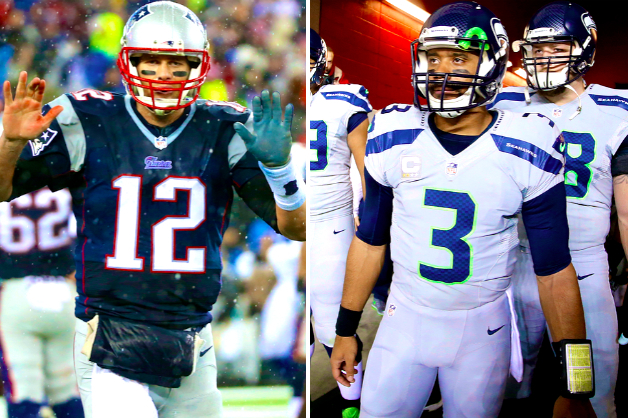
9 times in the last 10 years it's happened and it just happened again. The Superbowl last Sunday, shattered the viewing record. Nielsen ratings show it to be the most watched TV Broadcast in US history with 114.4 million viewers live average. It peaked at over 120 million. So the slow NBC Ad spot sales because of the 4.5 million price tag on a 30 second spot (up 500,000 dollars on the previous year) seems more justified as they did deliver the audience. As it reached the end 4th quarter, 74% of US Televisions were tuned in. That was when the now infamous passing call inside the one yard line by Seattle, was intercepted, giving the Patriots the win. What's not clear is whether Nielsen mean 'Televisions' or all broadcast devices (Ipads, Laptops, Mobiles etc) but that can only increase the viewing. Great game, good result and perhaps not won by Tom Brady but lost by Russell Wilson.... Because NFL is very USA led, viewership for The World Cup Final (350m+), Champions League, Olympic Games, all generate higher audiences simply because they've global appeal.
You do get tired of a constant barrage of PR and in essence propaganda, from vested interest groups in the TV market, telling us that TV viewing is growing. In fact, it's getting better they say. TV viewing? They've not learnt the lessons of the music industry, nor the book publishing industry, that instead of knocking digital, they can embrace it and make from it. Digital can be the saviour of TV as CBS are finding out. Tired and weary. Sure, I have a vested interest in online video but I don't hide behind it, and I have a daily vested interest in Advertising. Traditional TV broadcasters do hide, producing Press Releases and Research under acronyms as "facts". And the reason I'm interested in online, as a former dyed in the wool Adman, is that I know it's where the eyeballs are heading. I still do traditional Advertising but I tell clients the truth.
TV stations are of course, afraid of online and video online viewership, so they have to keep telling a yarn that the online explosion isn't really happening, when it is. Understandable perhaps, but it's helping, as intended, to dampen advertising support online. Which is slowing online growth - but not for long. However, advertisers are cleverer than that because they know the switch in audience away from traditional TV - simply from their own experience. Anyone with a child under 18, sees it everyday. It might surprise some, but Clients are people too. It's a simple fact that as Social Networks have grown, people are spending more time (notably in the traditional peak time evening viewing) on those networks. And if they're doing that, they're consuming less TV OR, watching it differently by second screens. Second screens clearly reduce the impact of advertising. It's just commonsense. Online video is soaring.
- 58% of the US stream (EMarketer) up from 20% in three years. - 75% of internet users are watching digital video (EMarketer). - 87% of people complete a video ad (that's from Nielsen) - "internet video ads have a higher impact than TV Ads" (that's Nielsen too). - "TV viewing is flat, steamers are watching more online video for longer" (IAB) - And digital is growing in that light 18-34 hard to reach TV audience (Nielsen). - Light TV viewers are shifting online quicker (Nielsen). - 145 million people in the US watch video online compared to 290 million who watch TV. And that was in 2012 (Mashable) - YouTube has over 1 billion viewers a month (Daily Mail) and "more 18-34's watch YouTube than any cable TV channel". - Online video advertising is expected to grow +40% this year (Business Insider) - Americans aged 12-34 are spending less time in front of their TV's (New York Times) - Netflix now has 33 million subscribers (that's paid for viewers who are more valuable to advertisers). - "Households abandon cable and Satellite TV for streaming" (Forbes). Will I go on? The point too, is that all the opposing arguments are based on data - nobody is lying - but it's how youinterpret that data for your own PR purposes is the issue. As someone said, if 40% of car accidents are by drunk drivers, then sober drivers are more dangerous. It's not the data - it's how you use it. So a word to media planners and buyers. A word to marketing managers and brand managers. A word to Admen. Use your commonsense. TV isn't dead....but it's dying. You know it and so do I. Do you think you'll ever buy a TV again? You won't, you'll buy a connected TV for online content which in a lot of cases, simply won't show traditional TV programmes. If you own the device (like Apple will own Apple TV), you'll own the content and that's broadcasters biggest fear - distribution. It could close them. You pay to get on the App Store. You'll pay for access to connected TV as a content provider IF they want your content. And they probably won't. Look at data and ask yourself why it has been given to you. Question it. Time for a change.
Nielsen, the firm of TV ratings, have released new figures from October about second screen usage in the US. (The full report is here but you'll have to enlist, although for free http://www.nielsen.com/us/en/insights/reports-downloads/2012/state-of-the-media--cross-platform-report-q2-2012.html) That is the trend where people watch TV and at the same time, use a smartphone, tablet or laptop. Indeed. Exactly as I am doing whilst I write this blog and my missus is doing the same thing - probably updating Streamabout video actually. But both of us almost every night, are second screen users. Which of course has a dramatic affect on TV "viewing" and certainly TV advertising engagement. Basically we're, what's called, "snacking" on TV. Not good for the medium. Neilsen today says we're part of 85% of adults who do that monthly and a massive 40% who do it daily. And remember, Neilsen are the bible of TV viewing so this is very pertinent. Given that not every home has a tablet or smartphone, this is also truly astonishing. Older people use tablets, younger use smartphones the research shows. And it shows the power of online is preferred compared to TV broadcasters fare. Yet again, they should see this coming but they won't and they don't. Even if they look at Netflix usage, it averages 5 hours and 20 minutes a day! Wow indeed. TV is getting dead in the water without question. TV Advertising makes less and less sense and at one stage I was at the helm of Ireland's largest TV Advertising buyers. So it's not bias on my part, it's that the world has changed and TV broadcasters haven't. It's pure and simple. Advertising money chases Audience and with 40% of the audience using a laptop or spending 5+ hours on Netflix, clearly they're not watching TV. And yet Ad agencies haven't got around to measuring this passive audience yet - neither have TV stations because it will mean their airtime is less valuable. Although RTE, the Irish state broadcaster, is already starting to experience it. In 2011, its Ad revenue is down -40% on 2007. It actually produced a deficit of nearly 17 million euro after receiving a staggering 183 million euro from Government. So if they were to stand on their own feet, without Government subvention, they'd lose circa 200 million euro. Government subvention to a broadcaster is also a strong potential conflict and RTE have been in hot water this year about its coverage of the Presidential Election. If your company receives that kind of investment that simply keeps you "afloat", how critical would you be of the investor? so how critical are they of Government? So the threat of online and second screens, as shown by Nielsen, must put their future under further threat. And indeed, all traditional TV broadcasters. It's a sea change that isn't going to go away.